Overview
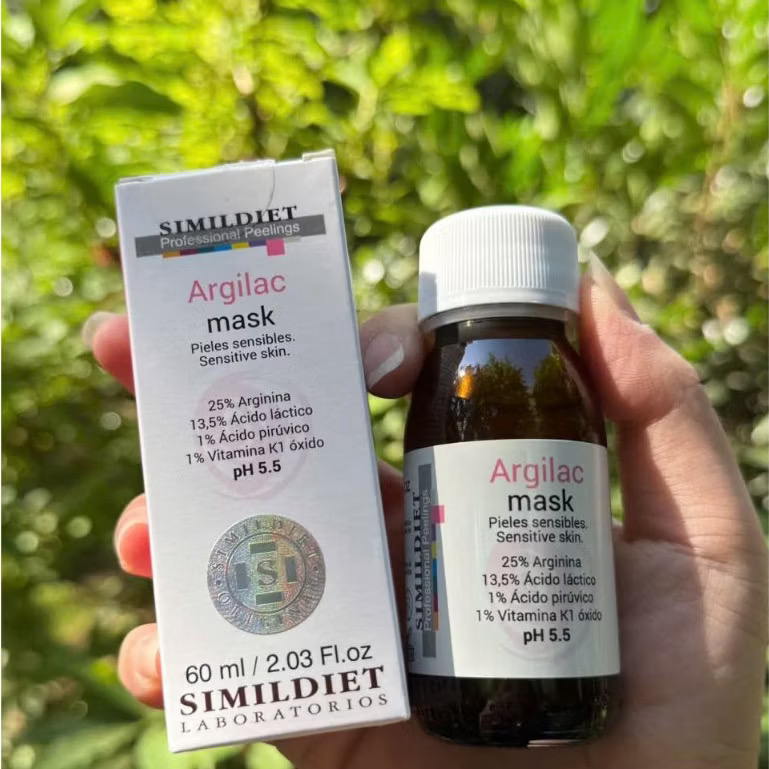
“Weakened skin” is the phrase clients commonly use to describe skin that easily becomes red, stings, peels, develops small bumps, or cannot tolerate products. It is not a specific diagnosis, but it often indicates that the skin barrier has declined or that the skin is overloaded by treatments and active ingredients.
Common causes
Using too many acids, retinoids, whitening creams, at-home peels, strong cleansing, or laser too frequently can all make the skin difficult to recover. Air-conditioned environments, lack of sleep, and inadequate sun protection can also prolong the condition.
Weakened skin does not always need more products
Many people feel stinging and immediately buy many recovery serums. However, layering too many products can still create congestion or irritation. The routine should be simplified, prioritising gentle cleansing, moisturising, and sunscreen.
Strong active ingredients need to be stopped at the right time
When skin becomes red, stings, itches, peels extensively, or develops small bumps after a product, continuing acids or retinoids can worsen the reaction. They need to be reduced or temporarily stopped, monitored, and reintroduced gradually only after the skin is stable.
Do not rush to peel or use laser to “replace the skin”
Weakened skin does not need another injury. Peel, CO₂, RF, or strong treatment may need to be postponed until the skin is stable, no longer has unusual reactions, and has sufficient recovery capacity.
Recovery does not mean stopping all treatment indefinitely
The goal of recovery is to return the skin to a state that can tolerate treatment. Once reactions are stable, a treatment plan can continue at a more suitable level.
DIVA’s Perspective
At DIVA, weakened skin is regarded as a stage that needs control. The first session may focus on calming, recovery, and reviewing all products currently in use. Deep aesthetic objectives are not forced when the skin foundation is not ready.
Once the skin is stable, methods are selected again according to the main concern. This helps reduce the risk of prolonged irritation and post-inflammatory hyperpigmentation.
Conclusion
Weakened skin is often a sign that the skin has received too much impact or unsuitable care. The solution is not always stronger technology. Sometimes the most important step is to reduce the load, recover, and rebuild a simple care foundation before continuing.
Over-Treated Skin: Signs and a Recovery Direction
Introduction
Over-treated skin does not necessarily occur after one strong procedure. Many cases develop from the cumulative effect of too many products, treatment used too often, continuous changes in treatment plans, or multiple technologies performed before the skin has recovered. The main issue is that the total level of stimulation exceeds the skin’s capacity to tolerate and repair itself at that time.
Common signs
Common signs include persistent redness, burning, stinging even with products that were previously tolerated, prolonged peeling, an unusually shiny and tight surface, itching, small acne-like bumps, and increased sensitivity to sunlight or heat. Some people find their skin dry but develop many inflammatory lesions, leading them to use stronger acne products and prolonging the irritation cycle.
Why does this condition occur?
Causes commonly include combining multiple acids, retinoids, acidic vitamin C, exfoliating products, cleansing devices, at-home peels, and clinic procedures within a short period. Some cases occur because skin that was already inflamed or dehydrated was treated as if it were healthy, resulting in an excessive reaction.
Common approaches that make the problem worse
The largest mistake is seeing more redness, burning, and peeling as a sign of more effective treatment. Peeling is only a surface reaction, not a direct measure of results. Another mistake is constantly changing recovery serums, adding masks, and applying many layers to “rescue the skin,” inadvertently increasing the risk of contact dermatitis.
How does DIVA assess the condition?
DIVA needs to know every product, frequency of use, recent procedures, the time symptoms began, and what makes the skin worse. Assessment focuses on the level of inflammation, surface integrity, signs of infection, and the skin’s ability to tolerate basic steps.
Why is personalisation necessary?
At DIVA, the name of a concern is only the starting point. Two clients may use the same word to describe their skin yet have completely different causes, degrees of inflammation, recovery capacity, and objectives. For this reason, a method is not selected from one photo alone or from the name of a service the client heard about elsewhere. An in-person assessment helps determine what should be done today, what should be postponed, and what the client needs to do at home.
Treatment direction at the clinic
When overloaded skin is suspected, the first objective is not acne, melasma, or pores. The objective is to stop the source of stimulation, reduce inflammation, and create conditions for the barrier to recover. Strong technologies are commonly postponed. Once the skin is stable, the plan for the main concern is rebuilt at a lower intensity with step-by-step monitoring.
Why should too much not be done at once?
An important principle is not trying to manage every concern in one session. When the skin has several objectives, DIVA prioritises the issue with the greatest impact on safety or results, then moves to the next stage. This approach may feel slower than “doing a lot,” but it reduces cumulative inflammation and allows the skin’s response to each step to be observed.
The role of home care
A recovery routine is usually more minimal than clients expect. Fewer products, well-tolerated ingredients, and stable use are more important than buying many “soothing” serums. DIVA may ask clients to stop all treatment products for a period, then reintroduce products one by one to identify tolerance.
Assessing results over time
Results should not be assessed only by how the skin feels immediately after a service. Some early visible changes are due to hydration, mild swelling, or lighting; structural and pigmentation changes need more time. Before-and-after photos should be taken at the same angle, under the same lighting, and with the same skin condition to avoid misunderstanding. When progress is not as expected, the plan needs adjustment rather than repeating one method.
When is medical assessment needed?
Medical assessment is needed for blistering, discharge, facial swelling, increasing pain, rapidly spreading redness, swelling of the lips or eyes, difficulty breathing, fever, or suspected severe allergic reaction. These situations should not be left to resolve on their own.
DIVA’s Perspective
Recovery is not giving up on treatment. It is the step that returns the skin to a state where it can receive treatment safely. A good plan knows not only when to act, but also when to stop.
Frequently Asked Questions
Can this condition improve on its own? Part of the condition may change over time if the cause of inflammation or irritation has stopped. However, when the problem continues to recur, leaves dark marks or scars, or affects daily life, early assessment helps prevent prolonged issues and reduces the risk of treatment in the wrong direction.
Can I start with one session? Yes. DIVA prioritises starting with one suitable session to assess the real response. After the first session, clients receive care guidance and clear follow-up milestones; there is no need to buy a long package before knowing how the skin responds.
Note: This article provides general information and does not replace medical diagnosis or treatment. DIVA does not use the title of doctor and will refer clients to a medical facility when an issue is outside the aesthetic scope.
Nguyen Hai Dang — Founder & Treatment Practitioner
Word count: 924
Weakened Skin After Laser: What Is Happening?
Introduction
After laser, the skin may become red, warm, dry, sensitive, or temporarily darker depending on the technology and level of impact. This does not necessarily mean the skin has been damaged. Many lasers create controlled injury to activate repair, so a period in which the barrier is temporarily weaker is expected and needs appropriate care.
Common signs
Common reactions may include mild redness, a warm sensation, tightness, fine peeling, or small crusts. The degree and duration differ between pigmentation lasers, resurfacing lasers, and vascular lasers. Warning signs include increasing pain, blistering, discharge, spreading redness, progressive swelling, or unusual changes in skin colour.
Why does this condition occur?
Energy, number of passes, treatment area, skin tone, baseline skin condition before the procedure, use of retinoids or acids, and subsequent care all affect recovery. Skin that was already inflamed or over-treated before laser has a greater risk of a strong reaction.
Common approaches that make the problem worse
One mistake is continuing the entire old routine immediately after laser, especially exfoliants, retinoids, acids, or fragranced products. Another is picking crusts, applying ice directly, or self-applying unadvised medication. Seeing temporary darkening and rushing into another peel can also increase PIH.
How does DIVA assess the condition?
DIVA assesses the type of laser used, the time symptoms began, day-by-day progression, degree of pain and swelling, and images under clear lighting. A normal reaction should tend to stabilise or decrease, not become progressively worse.
Why is personalisation necessary?
At DIVA, the name of a concern is only the starting point. Two clients may use the same word to describe their skin yet have completely different causes, degrees of inflammation, recovery capacity, and objectives. For this reason, a method is not selected from one photo alone or from the name of a service the client heard about elsewhere. An in-person assessment helps determine what should be done today, what should be postponed, and what the client needs to do at home.
Treatment direction at the clinic
The early stage prioritises controlling discomfort, keeping the surface clean, reducing water loss, and avoiding irritating factors. Returning to treatment or performing the next session should happen only when the skin has recovered sufficiently. If unusual signs appear, the treatment plan needs to stop while the cause is assessed.
Why should too much not be done at once?
An important principle is not trying to manage every concern in one session. When the skin has several objectives, DIVA prioritises the issue with the greatest impact on safety or results, then moves to the next stage. This approach may feel slower than “doing a lot,” but it reduces cumulative inflammation and allows the skin’s response to each step to be observed.
The role of home care
A post-laser routine usually has fewer steps and needs to follow the specific guidance for the technology used. Clients should not apply someone else’s routine to themselves. They need to report products they have applied because a reaction can come from a post-treatment product, not only the laser.
Assessing results over time
Results should not be assessed only by how the skin feels immediately after a service. Some early visible changes are due to hydration, mild swelling, or lighting; structural and pigmentation changes need more time. Before-and-after photos should be taken at the same angle, under the same lighting, and with the same skin condition to avoid misunderstanding. When progress is not as expected, the plan needs adjustment rather than repeating one method.
When is urgent medical assessment needed?
Difficulty breathing, swelling of the lips or eyes, severe pain, extensive blistering, fever, pus, an area of skin that becomes cold, or rapid colour change require urgent medical assessment. Do not rely only on messages and wait when there are systemic signs or progressive skin injury.
DIVA’s Perspective
“Weakened” skin after laser can be an expected recovery stage, but it needs to remain within safe limits. Monitoring progress, keeping care minimal, and making early contact when anything is unusual are more important than trying to speed up peeling or brightening.
Frequently Asked Questions
Can this condition improve on its own? Part of the condition may change over time if the cause of inflammation or irritation has stopped. However, when the problem continues to recur, leaves dark marks or scars, or affects daily life, early assessment helps prevent prolonged issues and reduces the risk of treatment in the wrong direction.
Can I start with one session? Yes. DIVA prioritises starting with one suitable session to assess the real response. After the first session, clients receive care guidance and clear follow-up milestones; there is no need to buy a long package before knowing how the skin responds.
Note: This article provides general information and does not replace medical diagnosis or treatment. DIVA does not use the title of doctor and will refer clients to a medical facility when an issue is outside the aesthetic scope.
Nguyen Hai Dang — Founder & Treatment Practitioner
Word count: 860
Is Thin Skin Really a Skin Type?
Introduction
“Thin skin” is a common description when the skin easily becomes red, visible vessels can be seen, it stings, or it cannot tolerate treatment. However, it is not always a fixed skin type. Some people have naturally more visible skin and blood vessels; others feel that their skin is thin because the barrier has been damaged by excessive products or procedures.
Common signs
The skin may look translucent, red, show visible vessels, become warm easily, or sting. If the condition appears after using mixed creams, steroids, continuous peels, or strong treatment, acquired damage is more likely. If it has existed for a long time and is stable, constitutional factors may play a larger role.
Why does this condition occur?
Age, sunlight, genetics, dermatitis, rosacea, prolonged corticosteroid use, and overly strong intervention can all affect thickness and blood vessels. A weakened barrier increases water loss and allows irritants to penetrate more easily, creating a stinging sensation even when the skin structure is not truly “thin” in the anatomical sense.
Common approaches that make the problem worse
A mistake is using strong treatment to “thicken the skin” or applying a large amount of collagen with the expectation of rebuilding structure immediately. Another is assuming that thin skin cannot receive any technology at all. In reality, the correct objective, intensity, and timing need to be selected.
How does DIVA assess the condition?
DIVA considers product history, redness, visible vessels, peeling, sensitivity, time of onset, and other areas of the face. A skin-analysis device can support imaging but cannot diagnose by itself. When rosacea, dermatitis, or medication-related skin atrophy is suspected, specialist assessment is needed.
Why is personalisation necessary?
At DIVA, the name of a concern is only the starting point. Two clients may use the same word to describe their skin yet have completely different causes, degrees of inflammation, recovery capacity, and objectives. For this reason, a method is not selected from one photo alone or from the name of a service the client heard about elsewhere. An in-person assessment helps determine what should be done today, what should be postponed, and what the client needs to do at home.
Treatment direction at the clinic
If the barrier is weakened, recovery is prioritised. If blood vessels are the main issue, vascular technology may be considered once the skin is stable. If the objective is skin quality, regenerative methods are selected only when benefits outweigh risks and do not increase inflammation.
Why should too much not be done at once?
An important principle is not trying to manage every concern in one session. When the skin has several objectives, DIVA prioritises the issue with the greatest impact on safety or results, then moves to the next stage. This approach may feel slower than “doing a lot,” but it reduces cumulative inflammation and allows the skin’s response to each step to be observed.
The role of home care
Care needs to be gentle, low in fragrance, reduce friction, and avoid self-increasing treatment. Suitable moisturising helps reduce water loss and sensitivity, but “thickening the skin” in a few days should not be promised. Progress needs monitoring over weeks or months.
Assessing results over time
Results should not be assessed only by how the skin feels immediately after a service. Some early visible changes are due to hydration, mild swelling, or lighting; structural and pigmentation changes need more time. Before-and-after photos should be taken at the same angle, under the same lighting, and with the same skin condition to avoid misunderstanding. When progress is not as expected, the plan needs adjustment rather than repeating one method.
When is medical assessment needed?
Thin skin accompanied by spontaneous bruising, bleeding, slow-healing wounds, long-term steroid use, or systemic symptoms needs medical assessment. Aesthetic treatment alone should not be used if the cause may be related to medication or disease.
DIVA’s Perspective
Rather than asking only, “Is the skin thin?”, it is necessary to ask what is happening to the skin: a weakened barrier, visible vessels, inflammation, or structural change. The answer is what determines a safe plan.
Frequently Asked Questions
Can this condition improve on its own? Part of the condition may change over time if the cause of inflammation or irritation has stopped. However, when the problem continues to recur, leaves dark marks or scars, or affects daily life, early assessment helps prevent prolonged issues and reduces the risk of treatment in the wrong direction.
Can I start with one session? Yes. DIVA prioritises starting with one suitable session to assess the real response. After the first session, clients receive care guidance and clear follow-up milestones; there is no need to buy a long package before knowing how the skin responds.
Note: This article provides general information and does not replace medical diagnosis or treatment. DIVA does not use the title of doctor and will refer clients to a medical facility when an issue is outside the aesthetic scope.
Nguyen Hai Dang — Founder & Treatment Practitioner
Word count: 853